Handmade export products sit at a unique intersection of art, culture, and commerce. They carry stories of artisans, communities, and traditions while competing in demanding global markets that prioritize quality, compliance, and reliability. This balance is not easy to maintain for small and medium businesses involved in handmade exports. This is where Standard Operating Procedures (SOPs) become essential – not as rigid rules, but as enablers of sustainable, ethical, and scalable growth.
There’s a fear that SOPs dilute creativity, but well-designed SOPs actually protect craftsmanship while helping handmade exporters meet international expectations.
Preserving Craftsmanship While Ensuring Consistency
One of the biggest challenges in handmade exports is maintaining consistency across batches without losing the individuality that defines handmade products. International buyers understand that handmade items are not machine-perfect, but they still expect consistency in dimensions, finishing quality, durability, and packaging.
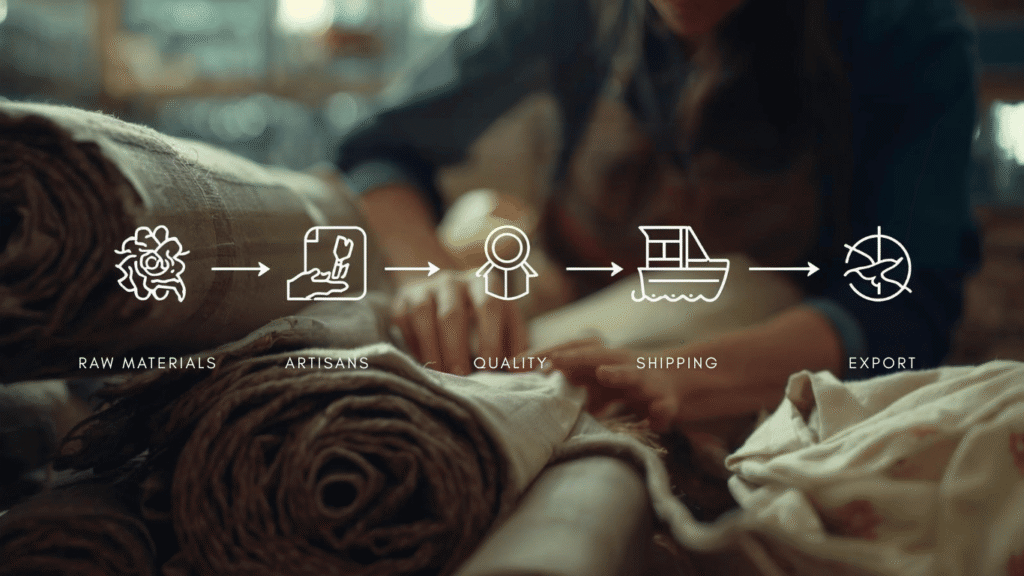
SOPs help define acceptable quality ranges rather than forcing uniformity. They document processes such as material selection, production steps, finishing standards, and quality checks in a way that respects artisan skills. Instead of replacing creativity, SOPs create a shared understanding of “what good looks like.”
For artisan-based businesses, this clarity reduces misunderstandings, minimizes rework, and ensures that each product reflects the brand promise. In handmade exports, consistency builds credibility – and SOPs are the foundation of that trust.
Meeting International Compliance and Ethical Production Standards
Export markets come with strict requirements related to safety, labeling, environmental impact, and ethical production. Many small handmade exporters struggle not because their products are poor, but because their processes are undocumented.
SOPs play a critical role in aligning handmade production with international compliance and ethical production standards. They help document how materials are sourced, how workers are treated, how waste is managed, and how quality is controlled. This documentation becomes invaluable during buyer audits, certifications, and compliance checks.
In an era where buyers actively seek ethically produced handmade exports, SOPs provide transparency. They allow businesses to confidently demonstrate responsible practices without overburdening artisans or management teams.
Improving Efficiency and Scalability for Small Exporters
Handmade businesses often grow organically, relying on experience rather than documented systems. While this works at a small scale, it becomes risky as export volumes increase. Without SOPs, scaling up can lead to inconsistent quality, missed deadlines, and stressed artisan teams.
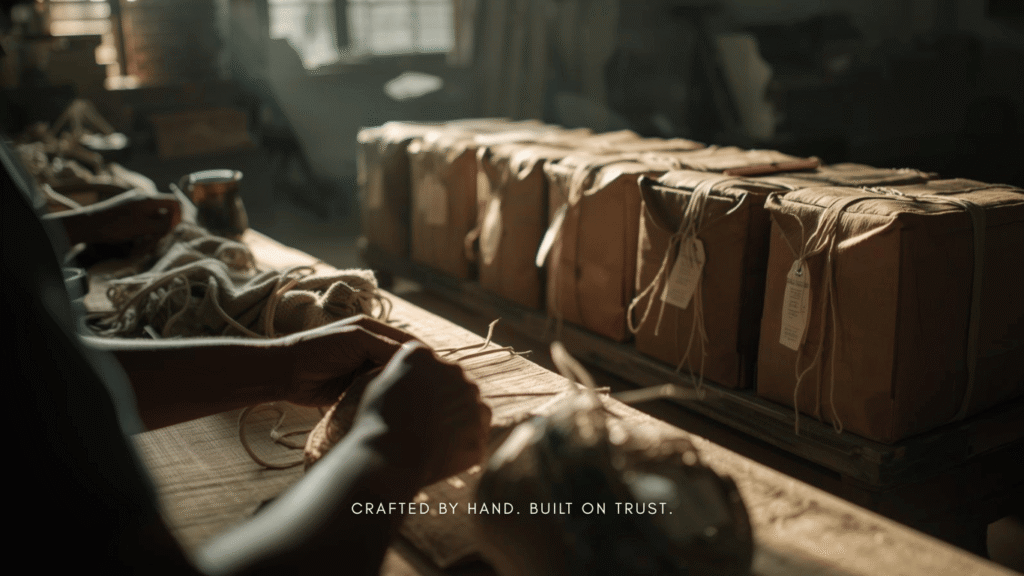
SOPs improve operational efficiency by clearly outlining roles, timelines, and checkpoints. They reduce dependency on individual knowledge and make it easier to train new artisans or onboard additional production units. This is particularly important for exporters working with multiple artisan groups or decentralized production models.
For small and medium handmade exporters, SOPs enable growth without chaos. They allow businesses to accept larger orders, expand into new markets, and maintain delivery commitments – without compromising craftsmanship or ethical values.
Building Buyer Trust in Global Handmade Exports
Trust is the currency of international trade. Buyers want assurance that a handmade exporter can deliver consistent quality, meet timelines, and uphold ethical production standards over the long term.

SOPs signal professionalism. They show buyers that the business is process-driven, quality-conscious, and prepared for long-term partnerships. When issues arise, as they inevitably do – SOPs also provide a framework for problem-solving and continuous improvement.
In handmade exports, where relationships matter as much as products, SOPs strengthen communication between exporters, artisans, and buyers. They help set clear expectations and reduce friction, leading to repeat orders and sustainable business growth.
Conclusion
SOPs are not about turning handmade products into mass-produced goods. They are about protecting craftsmanship, supporting ethical production, and enabling handmade exporters to compete confidently in global markets. For small and medium businesses, SOPs transform creativity into reliability and passion into scalable impact.
In the world of handmade exports, where quality, trust, and transparency define success, SOPs are not an operational burden but are a strategic advantage.