Small detail, big impact: Material choices the foundation of trust in global market
Quality isn’t just an aesthetic choice, it is a compliance shield in an evolving global market. Today the foundation of a world class brand is built on transparency and quality of its raw materials. While the aesthetic design may capture a buyer’s attention, what actually secures their long term trust is the underlying integrity of the fabric and the brand’s uncompromising quality. Exporters can build a lasting relationship with eco- conscious consumers who view sustainability as the ultimate hallmark of a modern and reliable partner by selecting materials with low environmental footprint.
“Material integrity” the backbone of global export
In the global market a brand’s choice of material or fabric is either their greatest asset or it could turn out to be their most expensive liability as material integrity is the ultimate differentiator that signals a brand’s commitment to excellence. By sourcing high quality, durable eco materials a brand can guarantee that its products serve as a long lasting alternative to unsustainable short lived goods, but it is only the first step.
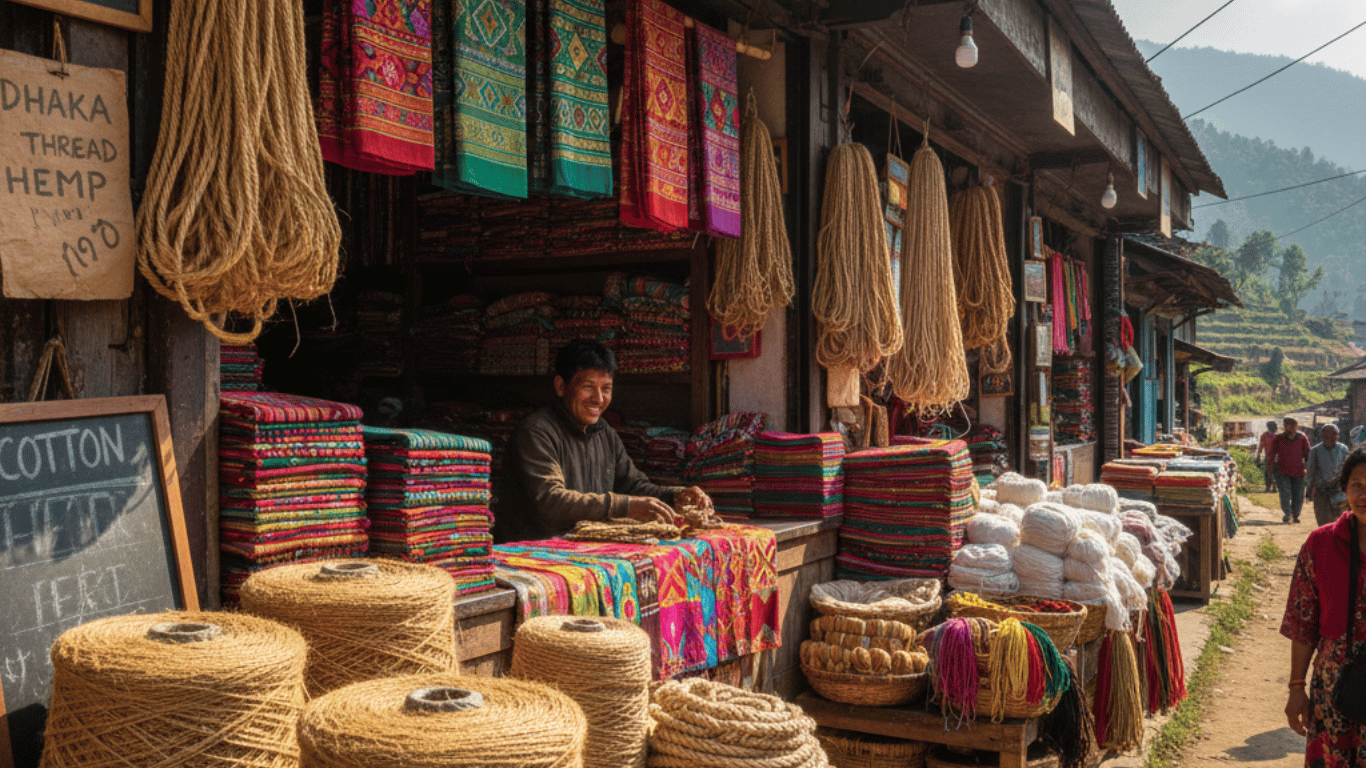
The main challenge is to ensure those sustainable textiles, paper, dhaka, bamboo are responsibly sourced, sustainable and biodegradable which makes sure the brand remains frontrunner in the conscious economy. Many brands find this challenging as they prioritize low upfront costs over material durability which leads them to face hidden costs of returns and bulk rejection. The antidote for this problem is for a brand to consistently provide innovative and quality merchandise that meets the sophisticated needs of international corporate and government clients.
Future proofing your brand: natural fabrics the key to global market
A brand that weaves the global values in their very fabric fast tracks its journey into market relevance. Surviving in the global market requires more than just high quality products but a material strategy that proves the brand is part of the solution not the pollution. If the fabric doesn’t have a future, the brand doesn’t either. The key to survival is to redefine organizational branding through meaningful alternatives. By replacing unsustainable products with artisan made and local textiles. Samsara provides a one step solution for global partners.
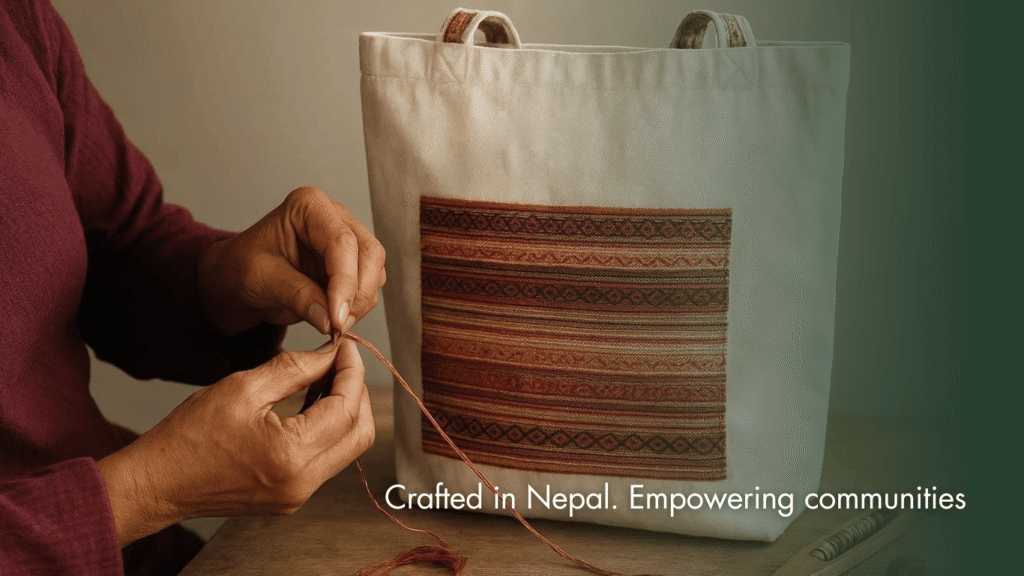
A brand that can dominate the international market are the ones that offer a one step solution for sustainable merchandise because global organizations are tired of juggling multiple vendors.Future-proofing requires taking the raw beauty of local materials and providing a comprehensive catalog that includes fabric cover notebooks, organic textiles and bamboo amenities that allows global organizations to declutter their supply chains which allows the brand to secure a position as a long term trusted global exporter.
From local roots to global trust: natural, authentic materials the future of gifting
Combining local soul with global utility, artisans are producing high quality, sustainable, durable goods that compete on the world stage. A gift without a story seems hollow but when an international client receives a fabric covered notebook or an artisan crafted gift from Nepal like a crocheted jute bag they connect with the story of culture and tradition of Nepal. Honoring local roots builds a level of trust that no synthetic gift can ever replicate.
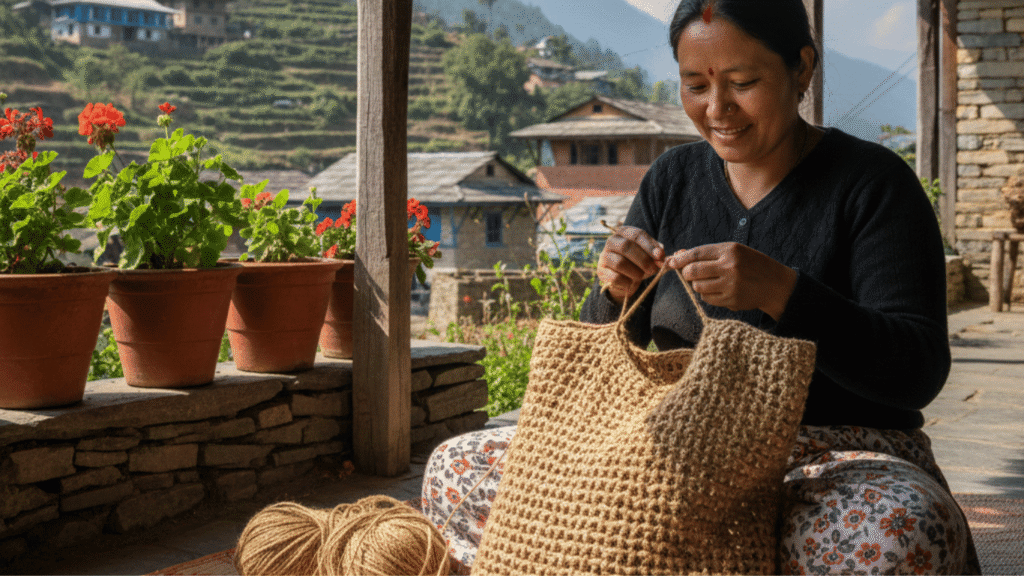
A gift that carries the “human touch” of nepali craftsmanship whether it be the organic texture of hand loomed cotton or nepali dhaka, this signals the global clients that the brand values heritage over shortcuts which creates a legacy of trust. The deep commitment to craftsmanship proves that the future of gifting isn’t found in a factory but in the roots of community.
Conclusion: Material integrity the only way forward
Design is what the world sees but in the era of fast fashion where global trends are constantly fluctuating, material integrity is the only reliable factor that the world trusts. Choosing material integrity alongside the aesthetics fosters a relationship between the product and the buyer appreciating the inherent worth of materials and the craftsmanship. Incorporating sustainability into material selection does not mean sacrificing performance but understanding the urgent and immediate need to incorporate sustainability principles in the material selection process and consider their long term impact on the environment and future generations.
REFERENCES
- https://lifestyle.sustainability-directory.com/term/material-integrity/
- https://makersrow.com/blog/sustainable-fabrics-is-the-future-of-fashion/#4-advancement-in-technology
- https://verger-group.com/sustainability-in-international-trade/
- https://www.planetaid.org/blog/plastic-free-july-the-role-of-fabric-choices-in-reducing-plastic-waste#
- https://www.talentedladiesclub.com/articles/how-consumer-demand-for-sustainable-products-is-changing-production-standards
- https://hookandeyeuk.com/blogs/guides/how-to-pick-your-fabric-the-complete-guide-to-fabric-selection
- https://www.pearlglobal.com/sustainable-fabrics-types-benefits