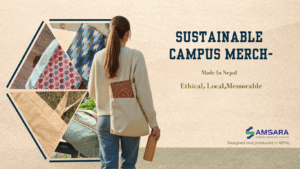
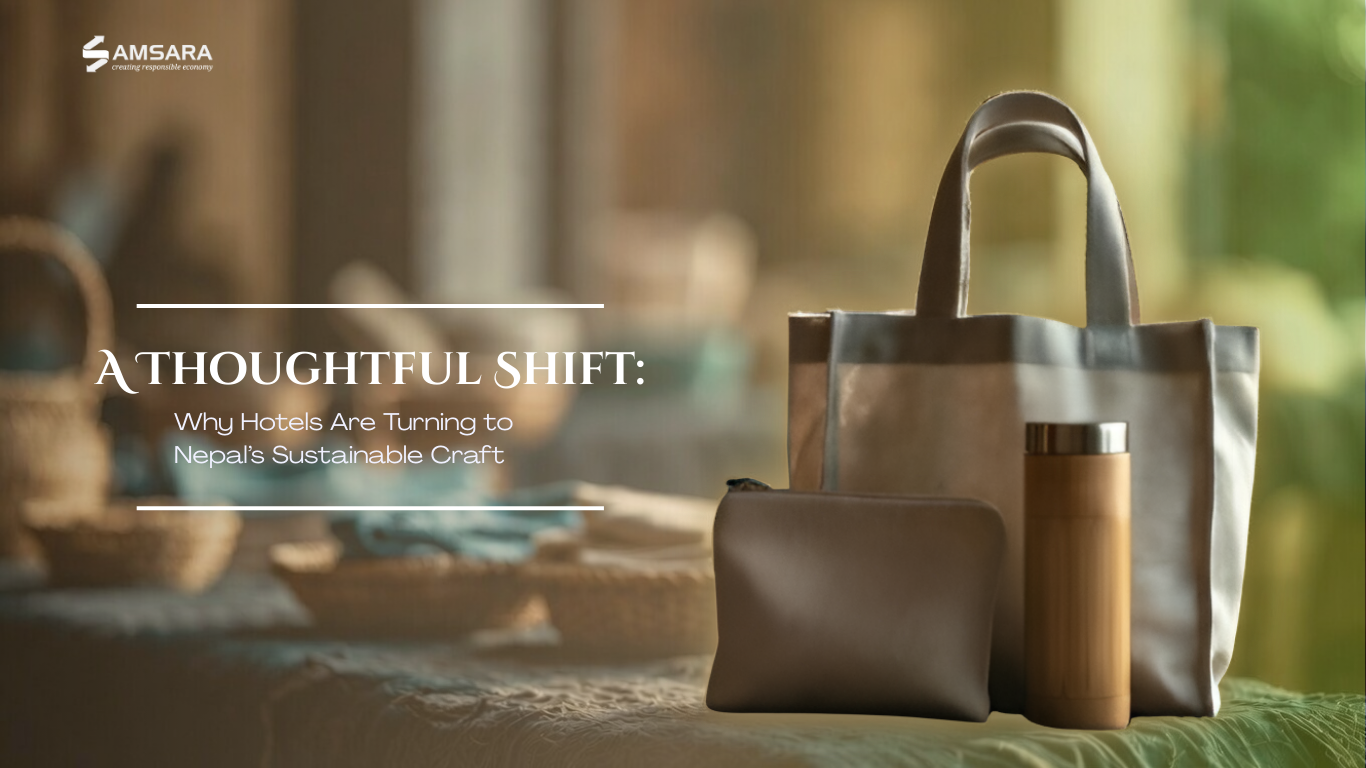
As sustainability becomes a core expectation rather than a “nice-to-have,” hotels and resorts across Australia, the USA, and other global markets are rethinking not just how they operate but what they place in their guests’ hands.
From welcome kits and in-room accessories to event merchandise and retail corners, eco-friendly merchandise is increasingly seen as a meaningful extension of the guest experience. In this shift, Nepali-made products, which are rooted in natural materials, artisanal craft, and cultural authenticity, are gaining growing attention among hospitality brands worldwide.
So why now, and why Nepal?
Sustainability Is No Longer Back-of-House
In the past, sustainability in hospitality often lived behind the scenes: energy efficiency, waste reduction, sourcing policies. Today, guests want to see and feel those efforts. Merchandise plays a unique role here. Unlike operational changes, tangible items such as tote bags, pouches, notebooks, or room accessories become guest-facing proof points of a hotel’s values.
Hotels and resorts are increasingly asking:
- Does this item align with our sustainability narrative?
- Is it reusable, biodegradable, or responsibly sourced?
- Does it feel intentional or generic?
This is where material choice and origin matter.
Why Natural Materials Are Winning Guest Trust
Globally, hospitality brands are moving away from polyester mixed, synthetic, short-life merchandise toward natural, eco-friendly materials that feel honest and purposeful.
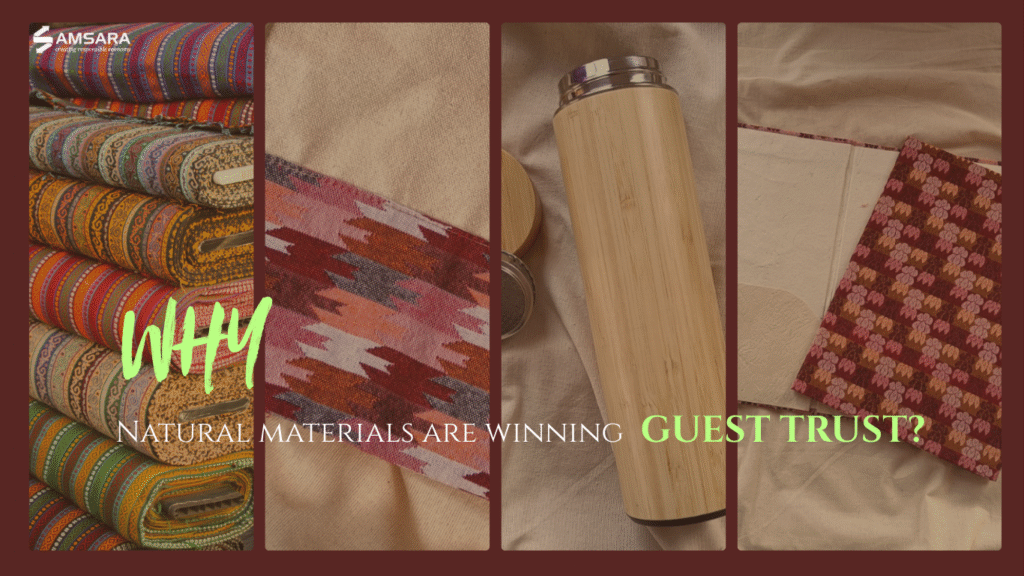
Nepal offers a unique ecosystem of such materials:
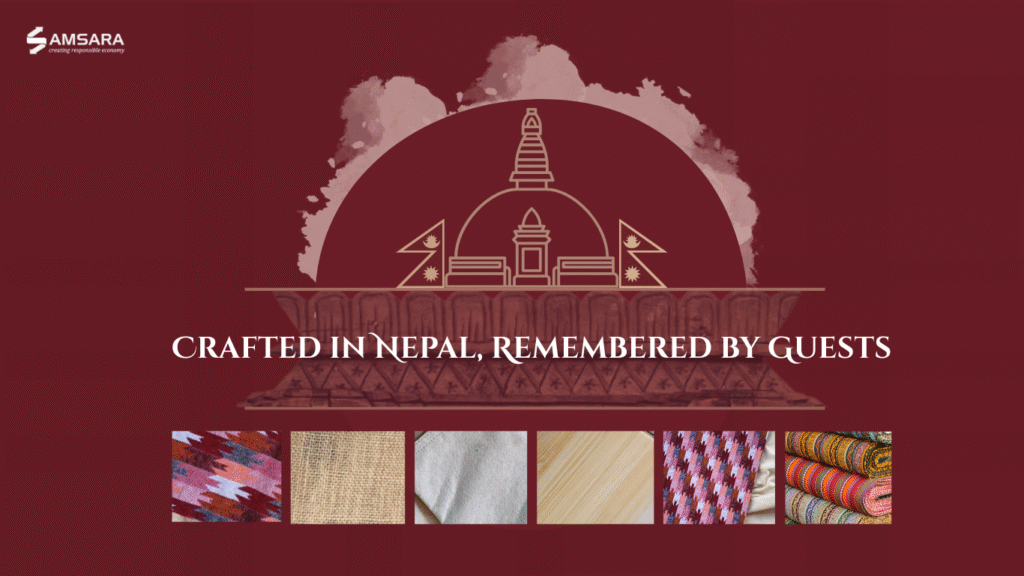
- Cotton canvas & Shyama cotton – breathable, reusable, and versatile for bags, pouches, and packaging
- Jute & hemp – strong, biodegradable, and ideal for everyday hospitality use
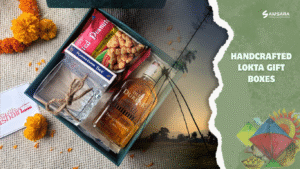
- Lokta paper – handmade, durable, and naturally textured, perfect for stationery and guest communication
For guests, these materials signal care and intention. For hotels, they offer durability without compromising sustainability goals.
Cultural Authenticity as a Differentiator
These days, especially in boutique hotels, resorts, and eco-lodges, guests are drawn to places that feel distinct, not standardized. Nepali products stand out because they often carry:
- Handwoven or artisan techniques
- Cultural motifs and traditional textiles (such as Dhaka or Gheri)
- A clear human story behind how and where the product was made
When thoughtfully integrated, these products don’t compete with a hotel’s brand identity – they enhance it. These things offer guests something memorable and story-driven rather than logo-heavy merchandise.
Why Hotels & Resorts Are Looking Beyond Mass Production
Large-scale, generic merchandise suppliers often optimize for volume and speed. While this works for some use cases, hospitality brands focused on experience are increasingly looking for responsible, flexible supply partners who can:
- Customize designs without excessive minimums
- Adapt products to different guest touchpoints
- Maintain consistency while preserving craft quality
- Support sustainability claims with real sourcing transparency
Nepal’s production ecosystem – especially for textile- and paper-based products—naturally supports small-batch, export-ready customization, making it well-suited for hospitality needs.
Practical Use Cases in Hospitality
Eco-friendly Nepali merchandise is already being explored for:
- Welcome bags for resort guests
- In-room storage pouches or organizers
- Sustainable laundry or amenity bags
- Guest notebooks or writing kits
- Event and retreat merchandise
In each case, the focus is not on promotion, but on usefulness, longevity, and alignment with brand values.
A Quiet Shift Toward Meaningful Touchpoints
What we’re seeing globally is a move away from “more merchandise” toward better merchandise. Hotels and resorts that succeed in this space don’t treat eco-friendly items as add-ons. They view them as part of the guest journey – objects that carry memory, function, and meaning beyond the stay.
Nepali products are in high demand not because they are trendy, but because they sit at the intersection of:
- Sustainability
- Craftsmanship
- Cultural authenticity
- Practical design
For hospitality brands seeking to strengthen their sustainability narrative in a tangible, guest-facing way, this combination is becoming increasingly compelling.
Final Thought
Eco-friendly merchandise works best when it feels natural, not forced. As hotels and resorts look for responsible sourcing partners who understand this balance, Nepal’s artisan-led, material-conscious production landscape is emerging as a thoughtful solution.