“The modern tradition”: Redefining Nepali crafts for the global stage
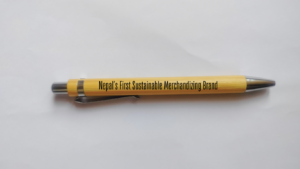
The global market had been viewing Nepali crafts as mere artifacts of the past, beautiful but limited to shelves of souvenir shops. The journey of Samsara to redefine Nepali crafts began with a simple yet powerful realization that businesses were clinging to unsustainable, plastic heavy merchandise that added no value to their brand. Nepal has been utilizing indigenous materials like wild-harvested fibres, bamboo, and handmade paper and is creating a “Modern tradition” offering a meaningful alternative to conventional branding.
At the same time it is bridging the gap between modern organizational needs and local artisan products by offering a complete solution for ethically made gifts and promotional merchandise. Redefining nepali crafts is not just about aesthetics, it is a strategic shift towards replacing plastic and unsustainable products with authentic, sustainable and nature based solutions that can be used in a corporate boardroom.
The signature of authenticity: Elevating Dhaka as a luxury accent
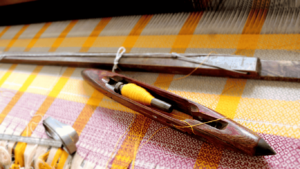
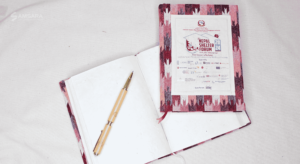
Dhaka in fashion has changed its role transforming itself from a symbol of cultural heritage to a more versatile and trendy fabric. Dhaka is a sustainable gift of culture and luxury. It has been evolving on the global stage. Instead of traditional full garments, the small panels of handloomed dhaka have been integrated into notebook covers.
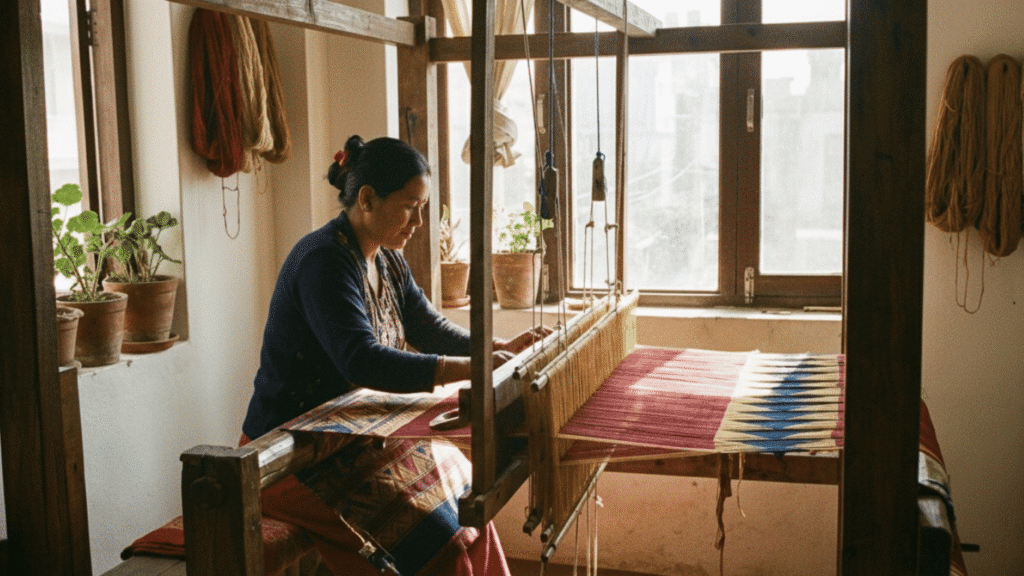
Dhaka is also being paired with other sustainable materials like Jute or Lokta paper to create multi textured gift sets that appeal to the luxury market as a signature of authenticity that is subtle enough for everyday use but distinct enough to spark a conversation about its origin. By choosing dhaka merchandise brands are not only promoting themselves but also sustainability.
Archival elegance: Redefining lokta paper for the digital age
In an era of fleeting digital notes there is a growing demand for archival quality of Lokta paper. Lokta papers reflect the workmanship, history, creativity and artistry of Nepal. Following a tradition of 1000 years ago, lokta paper is not getting outdated, instead it is thriving with new elements that matter a lot. Lokta paper is also considered as a standout product in the global market as sustainable and artisanal goods.
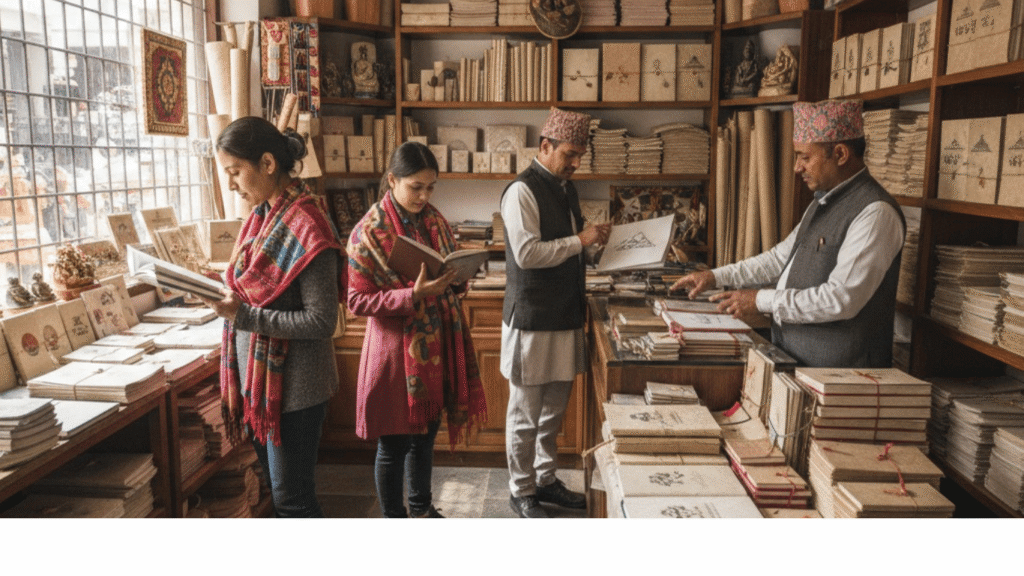
Lokta papers are considered to be a sustainable and eco friendly material in the stationery market as it is made from the bark of the Daphne plant which regenerates naturally every 4-7 years ensuring that harvesting is sustainable and does not contribute to deforestation. Lokta paper is considered an attractive and sustainable choice for both buyers and corporate clients in the global market as their branding material because of its durability, resistance to insects and unique texture.
The golden thread: Redefining Nepal’s most versatile heritage fibre jute
An industry that is no longer confined to traditional use but has evolved into a sophisticated industry bridging a gap between rural heritage and sustainable alternatives in the global market is the jute industry. Nepal’s jute industry is undergoing a powerful transformation that is driven by a global mandate for sustainability.
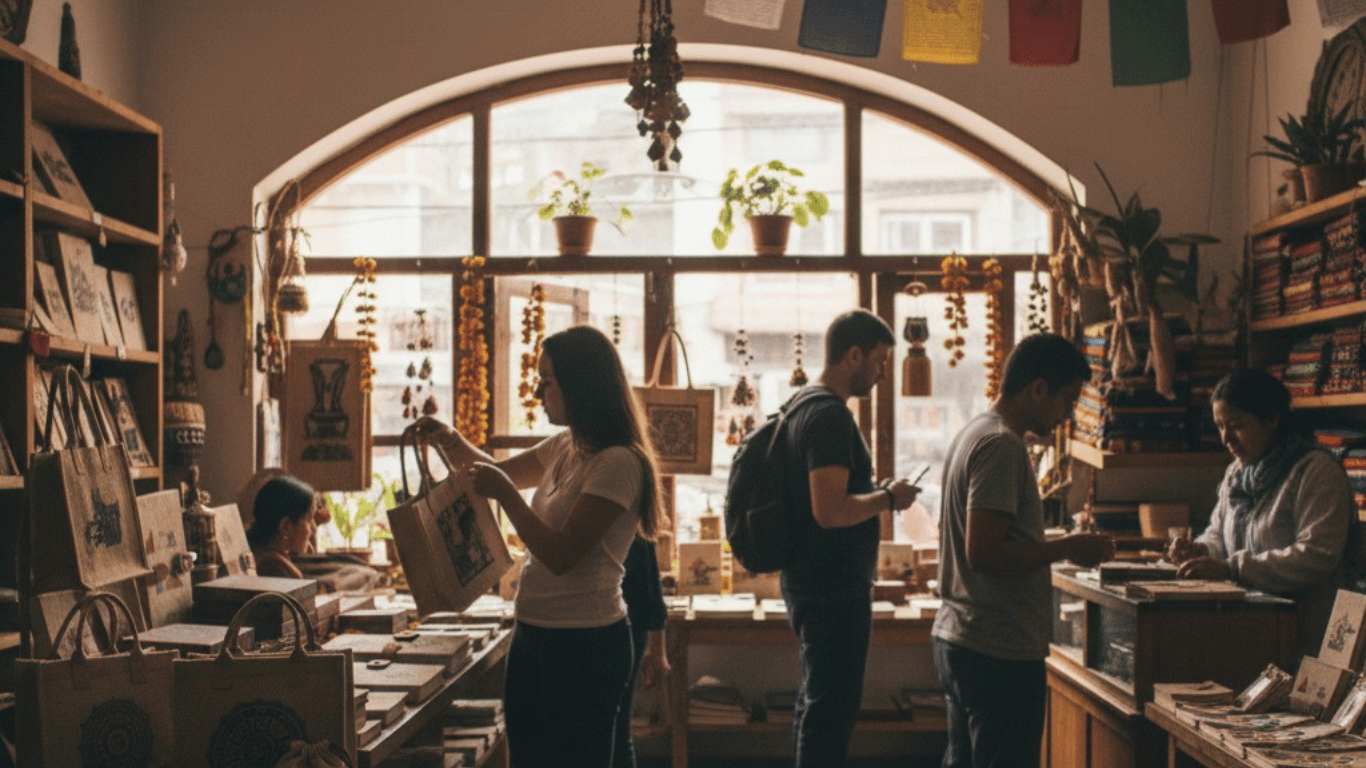
Artisans and entrepreneurs of Nepal are now rediscovering jute as a sturdy eco-friendly alternative to synthetics refining the “golden fibre” into nature based merchandise such as tote bags mixed with dhaka, high utility pouches and archival quality diary covers. This ensures that corporate gifting moves toward leaving a positive lasting impression on the clients as well as the planet.
Conclusion: The new era of textiles
Sustainability is no longer a choice but a mandate in the new era of textiles, and Nepal is leading this revolution through circular design. Nepal’s new era of textiles offers products that carry a signature of authenticity and sustainability in every weave and fibre. Nepal addresses the global market’s anxiety by providing merchandise that supports a zero waste lifestyle. This transition ensures that nepali textiles are no longer viewed as mere souvenirs but as a high end brand that is refining indigenous fibres into totebags, archival diary covers and many more.
REFERENCE
- https://cyfnepal.org/cyf-blog/2018-dhaka-anjali-limbu
- https://kathmandupost.com/fashion/2025/02/17/the-revival-of-nepali-dhaka
- https://imartnepal.com/jute-products-in-nepal-a-sustainable-tradtion-weaving-a-green-future/
- https://imartnepal.com/jute-products-in-nepal-a-sustainable-tradition-weaving-a-green-future
- https://hempnath.com/blogs/news/the-making-of-lokta-paper
- https://thewondernepal.com/articles/nepali-paper-making-the-art-of-lokta-paper/