The global shift: Why hotels are ditching plastics for provenance
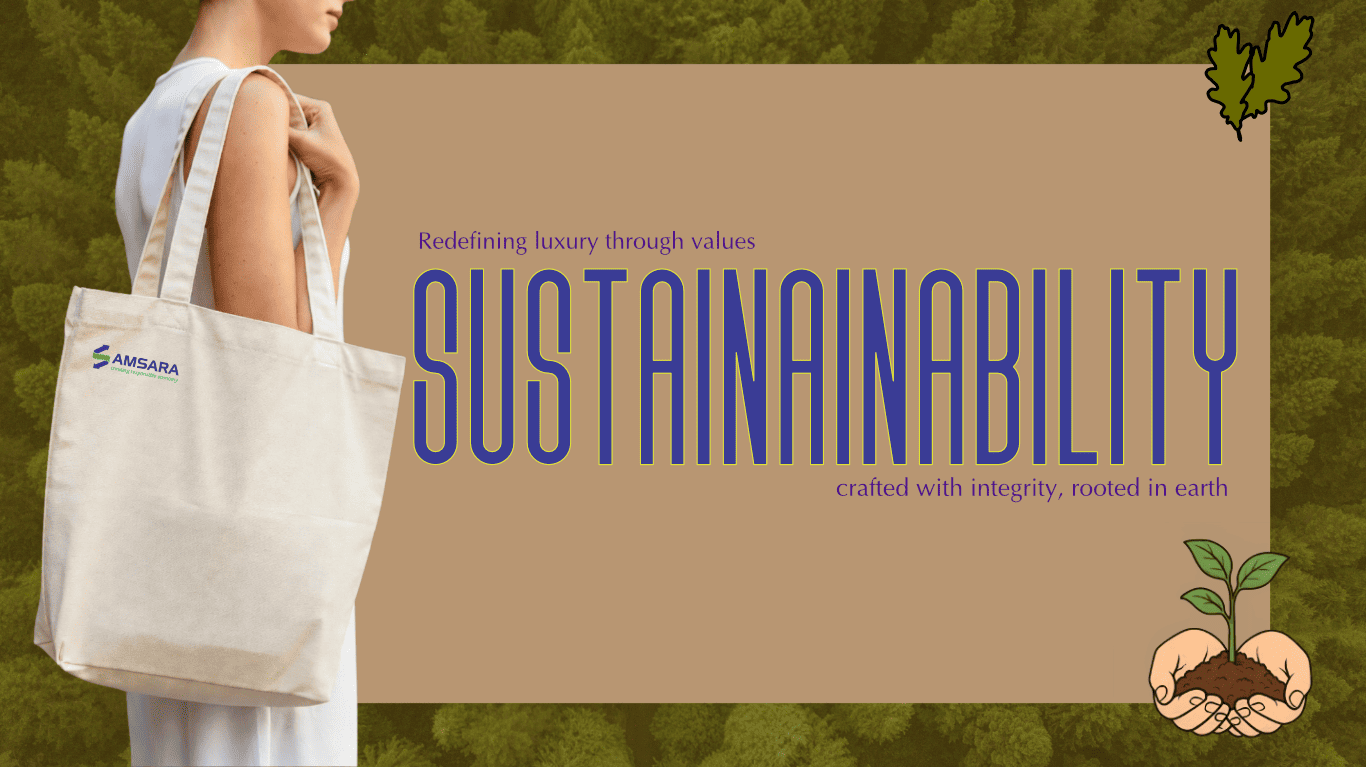
The new era of luxury is no longer just about grandeur, but about how sustainability and a deeper commitment to the planet define guest experience. Modern travel is being redefined by Gen Z and millennials who view single-use plastics and generic amenities as “brand liabilities” or “ethical liabilities”. This shift reflects a move toward “purpose-driven experiences” and away from “acquisitive tourism”. Travellers now expect every detail of their stay to align with their specific values of sustainability and ethical consumption. While disposable items were once synonymous with hygiene and convenience, they now feel cheap and generic, communicating to the guest that the hotel is disconnected from the global urgency of sustainability. Consequently, boutique hotels are trying to reclaim the guest’s trust by forging ties with partners who embody deep-rooted craftsmanship and genuine respect for the earth.
Nepal: the best partner for Boutique Hotels
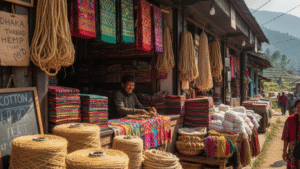
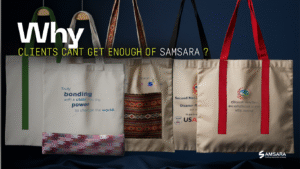
Beyond the shadow of rigid MOQs (minimum order quantity) of industrial giants lies a new frontier for boutique hospitality: the Nepali artisanal sector that provides them a unique competitive advantage. Where global giants see small batches as a burden, Nepal sees an opportunity for deep-rooted craftsmanship. Leading this shift are social enterprises like Samsara Creation that allow the boutique hotels to bypass high minimums and make sure they do not have to choose between custom-branded identity and sustainable ethics by providing cotton laundry bags and Lokta notebooks at low MOQs.
This allows the boutique hospitality industries to gain access to high-impact production that combines ethical labor with artisanal quality that today’s sophisticated travellers demand. It enables hotels to maintain a “just in time” inventory strategy and eliminate the risk of overstocking.
The conscious souvenir: Marketing with a Mission
Saving a few cents on throwaway plastics is actually costing the hospitality industry. The real ROI isn’t in the cost savings of trash; if we’re talking high-stakes luxury, the “Conscious Souvenir” is the ultimate ROI (Return on Investment) hack. Hospitality needs to stop thinking about amenities as “disposables” and start seeing them as brand ambassadors because when a guest takes a piece of our story home, they’ve won. Let’s not lie to ourselves, no one falls in love with a pop-up ad, but a conscious souvenir is like a dopamine hit of nostalgia. This builds more loyalty than any digital marketing campaign ever could.
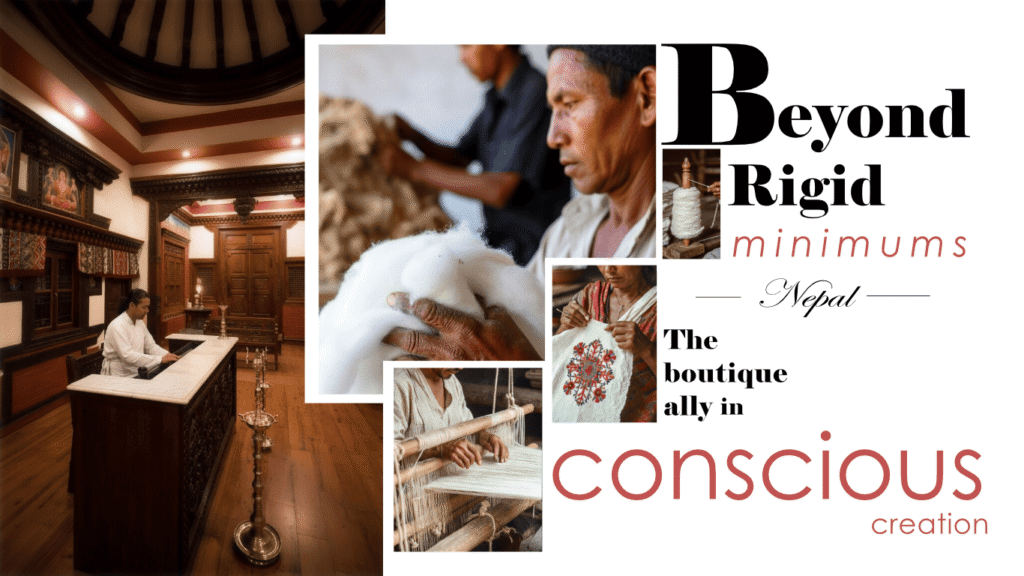
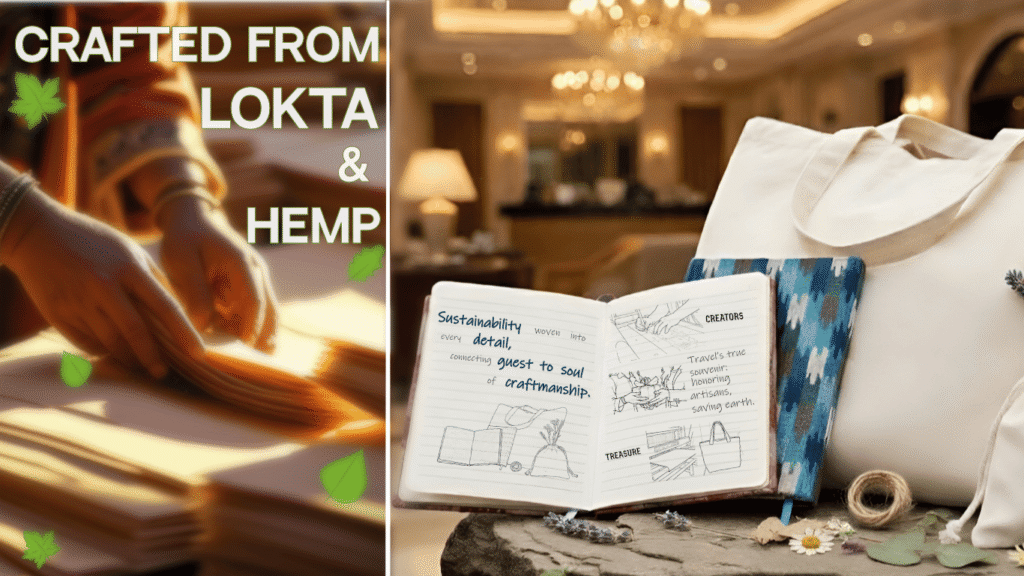
Imagine when a guest reaches out for a notebook to write their note or to-do list, they find Samsara’s Lokta paper instead of basic paper. They would feel like they are holding an ancient Himalayan artifact, which would turn their task into a high-sensory task. Now, travellers are obsessed with minimal plastic. When they find hemp and cotton Samsara pouches in their room, it is a total vibe shift as it proves the hotel is actually listening to the market.
How hospitalities are winning in the sustainability game
Leading hospitality companies are cutting the cord on single-use items by reimagining the supply chain through the lens of sustainability. They are integrating items made from biodegradable materials like Lokta and Hemp, like those produced by Samsara, to move away from the disposable culture. Boutique hotels have been using small batch drops, partnering with enterprises having a similar sustainable goal to see what the guests actually love instead of committing to massive, rigid orders. This has been helping them to avoid inventory traps.
Every artisanal amenity has a soul; if you drop its backstory, it is just an object. When the hotel details the journey of a Samsara Lokta notebook to the guests, they aren’t just providing service; they are educating the guests on ethical craftsmanship.
Conclusion: Beyond the checkout
The future of travel is ethical, or it’s nothing. Travel isn’t about where you go anymore; it is about the vibe you leave, and a souvenir isn’t a trinket; it is about the conscious memory you carry home in your suitcases. Understanding this hospitalities have been sourcing their amenities from enterprises like Samsara Creation that bring a soul to their amenities. By doing this, they aren’t just buying green; they are giving the guests a stay they’ll never forget by honoring the artisans and saving the earth.
REFERENCES:
- https://samsaracreation.com.np/
- https://www.outthere.travel/2026-luxury-travel-trends/
- https://www.mdpi.com/2071-1050/13/10/5563
- https://redstagfulfillment.com/minimum-order-quantity/
- https://samsaracreation.com.np/samsara-creation-sustainable-exports-from-nepal/
- https://www.marketreportanalytics.com/reports/hotel-disposable-supplies-187785